![]() Popular Bonsai Trees |
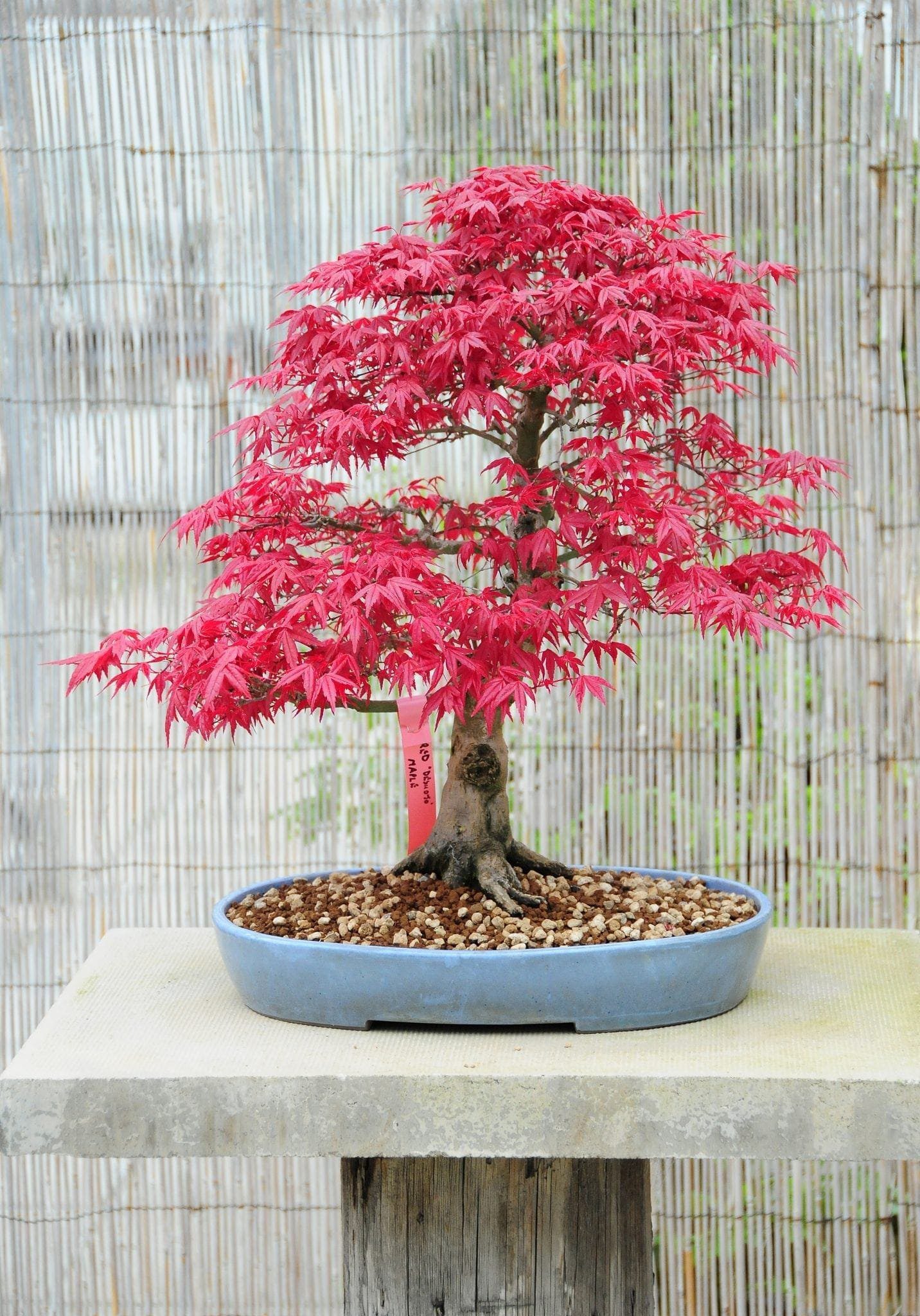
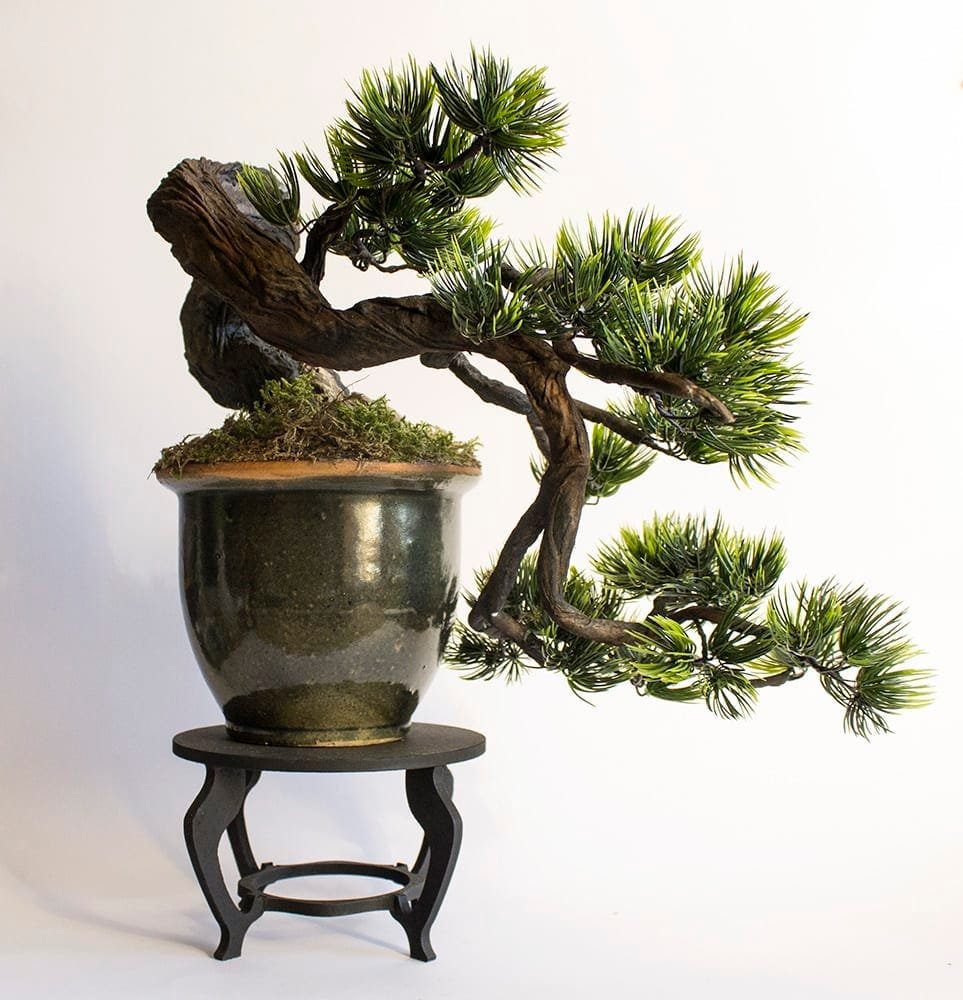
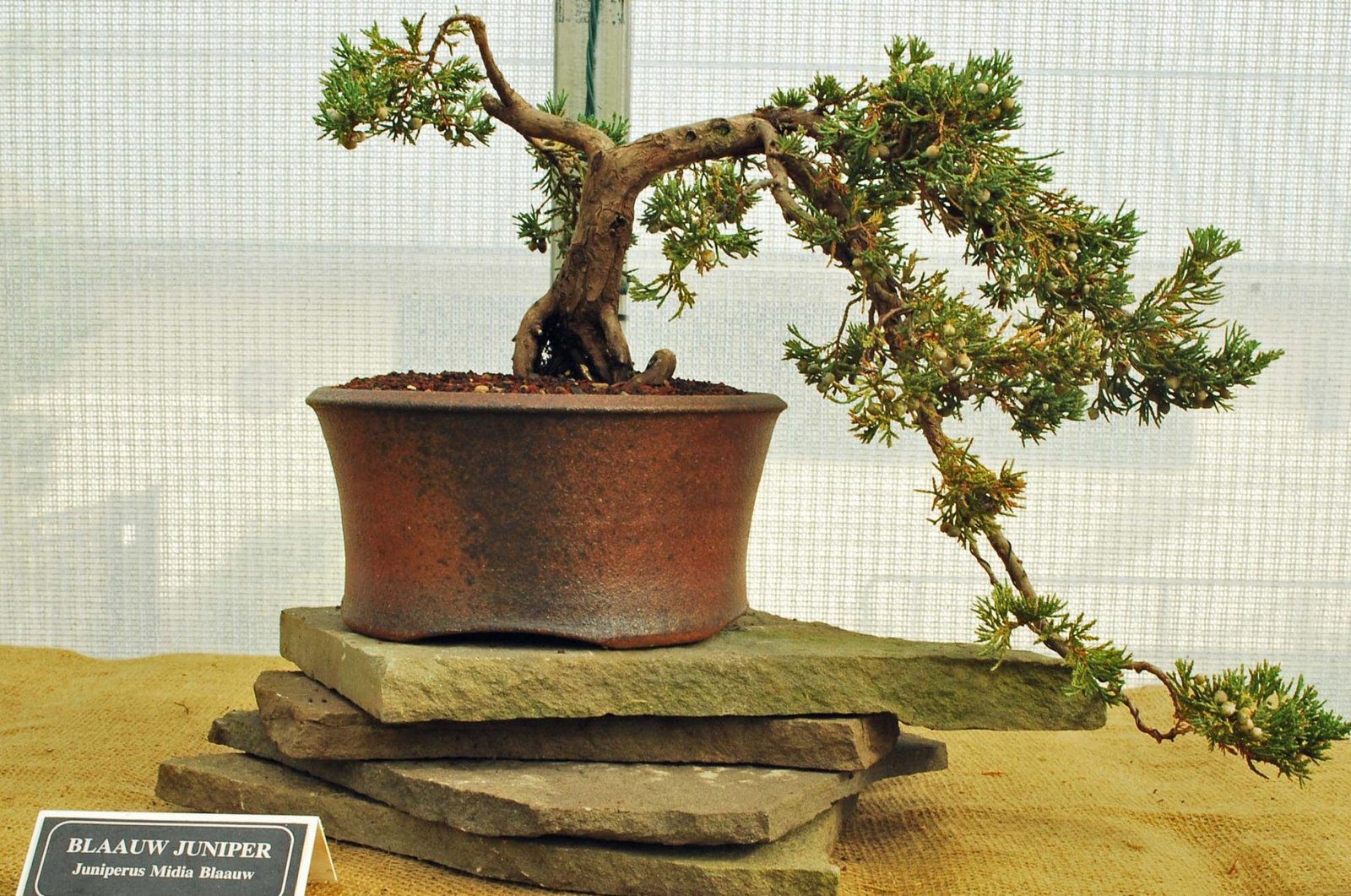
Popular Bonsai TreesThere are a number of different types of species that are commonly used to make Bonsai trees, each of which has its own symbolic meaning in the Japanese culture. |
Features: Braided tree trunk - 13"-15" tall Recommended bonsai tree, grown and trained by Bonsai Boy Suitable humidity/drip
Features: 20 years old, 14" x 12" x 18" tall. Recommended indoor bonsai tree, grown and trained
Features: 10 years old, 15"-21" tall Recommeded bonsai tree, grown and
Features: 7 years old starter tree, 9.0" tall Fun and Great for the beginner Comes with everything you
What living things provide housing for the birds, food for the hungry and shade for the overheated? The answer is trees, of course, but they’re not all pines and pin oaks. Once you’ve seen these five peculiar anomalies, you’ll realize that there’s more to trees than what you’ll find in the park.
Continue reading “Five of the Most Peculiar Trees You’ve Probably Never Seen” »
Japanese artist Takanori Aiba brings innovation to the ancient art of Bonsai. Working in collaboration with civil engineer and model-maker Kazuya Murakami, Aiba designs replicas of tree houses and fantasy worlds of intricate detail and character that include dwellings, amusement parks and corporate mascots. Bonsai trees provide the foundation for Aiba’s small-scale dioramas that snake their way up and out over the growth of the tree. Aida’s vision of harmony and balance between nature and humans is realized in the 3-dimensional models executed by Murakami.
Continue reading “Takanori Aiba: Innovations in Ancient Japanese Bonsai Art” »
Singapore successfully improved the appearance of the sterile, urban Marina Bay landscape by constructing the Garden by the Bay. The 250-acre self-sustaining oasis opened in June. Singapore’s National Parks Board developed the site, which celebrates culture and horticulture through various exhibits that include the phenomenal Singapore Supertrees.
Continue reading “Singapore Supertrees – Mother Nature Beautifies Urban Sprawl” »